```html
Commercial Air Conditioning Installation for Parramatta Businesses
Selecting and installing the right commercial air conditioning system is one of the most critical decisions Parramatta business owners make for their operations. In 2025, with increasing temperatures and growing energy efficiency standards, having a properly installed air conditioning system is no longer a luxury but a necessity for maintaining productivity, employee comfort, and customer satisfaction. This comprehensive guide explores everything you need to know about commercial air conditioning installation in Parramatta.
Why Commercial Air Conditioning Installation Matters for Parramatta Businesses
Parramatta's climate presents unique challenges for commercial establishments. Located in Western Sydney, the region experiences hot summers with temperatures frequently exceeding 35 degrees Celsius. For businesses operating in retail, offices, hospitality, or healthcare sectors, maintaining optimal indoor temperatures is essential for operational success.
A properly installed commercial air conditioning system provides more than just temperature control. It regulates humidity levels, improves air quality, and creates an environment where employees can work efficiently. Studies consistently show that comfortable working conditions directly correlate with increased productivity and reduced absenteeism. Additionally, many commercial leases and industry standards now require specific climate control specifications, making professional installation essential for compliance.
The installation process itself is complex and requires specialized knowledge. Unlike residential systems, commercial air conditioning involves larger capacity units, more sophisticated control systems, and integration with building infrastructure. Choosing an experienced air con installer in Parramatta ensures your system operates at peak efficiency from day one.
Understanding Commercial Air Conditioning Systems
Commercial air conditioning systems differ significantly from residential units. They must handle larger spaces, accommodate higher occupancy loads, and often operate continuously throughout business hours. Understanding the main types helps you make informed decisions about your installation.
Split System Air Conditioning
Split systems remain popular for smaller commercial spaces and individual office areas within larger buildings. These systems feature an outdoor condenser unit connected to one or more indoor air handling units. They offer flexibility, allowing different zones to maintain separate temperatures. For Parramatta businesses occupying modest retail spaces or small office suites, split systems provide cost-effective cooling without extensive ductwork installation.
Central Air Conditioning Systems
Larger commercial facilities typically require central air conditioning systems. These systems use ducting to distribute cool air throughout the entire building, providing uniform temperature control across multiple zones. Central systems offer superior control capabilities and are ideal for open-plan offices, shopping centers, and hospitality venues. Installation requires careful planning of ductwork routes and proper sizing to ensure adequate airflow.
Variable Refrigerant Flow (VRF) Systems
Modern Parramatta businesses increasingly opt for VRF systems, which represent the latest advancement in commercial cooling technology. These systems use variable amounts of refrigerant to meet specific cooling demands in different zones simultaneously. VRF systems deliver exceptional energy https://emilianobmnf623.cavandoragh.org/how-often-should-you-schedule-air-conditioning-service efficiency, precise temperature control, and the ability to heat some areas while cooling others. While installation costs are higher, the long-term energy savings and operational flexibility make them attractive for forward-thinking businesses.
The Commercial Air Conditioning Installation Process
Professional air conditioning installation involves multiple stages, each critical to system performance and longevity. Understanding this process helps you work effectively with your air con installer.
Initial Assessment and Load Calculation
Every successful installation begins with a thorough assessment of your space. Your air con installer evaluates building dimensions, insulation quality, window placement, occupancy levels, and equipment heat generation. Using this information, they calculate the cooling load your system must handle. This calculation is fundamental—an undersized system cannot maintain comfort, while an oversized system wastes energy and operates inefficiently.
System Design and Planning
Based on load calculations, your installer designs a system meeting your specific requirements. This includes selecting appropriate equipment capacity, determining ductwork layout, identifying optimal placement for indoor and outdoor units, and planning control system integration. For Parramatta businesses, design must account for local building codes and any heritage considerations if your premises are in protected areas.
Equipment Selection
Your installer recommends equipment matched to your building's needs and budget. Modern commercial units offer various efficiency ratings, with higher-efficiency models reducing operating costs despite higher upfront expenses. Current 2025 models incorporate smart controls, allowing remote monitoring and adjustment of temperature settings, which is particularly valuable for multi-location businesses.
Installation and System Setup
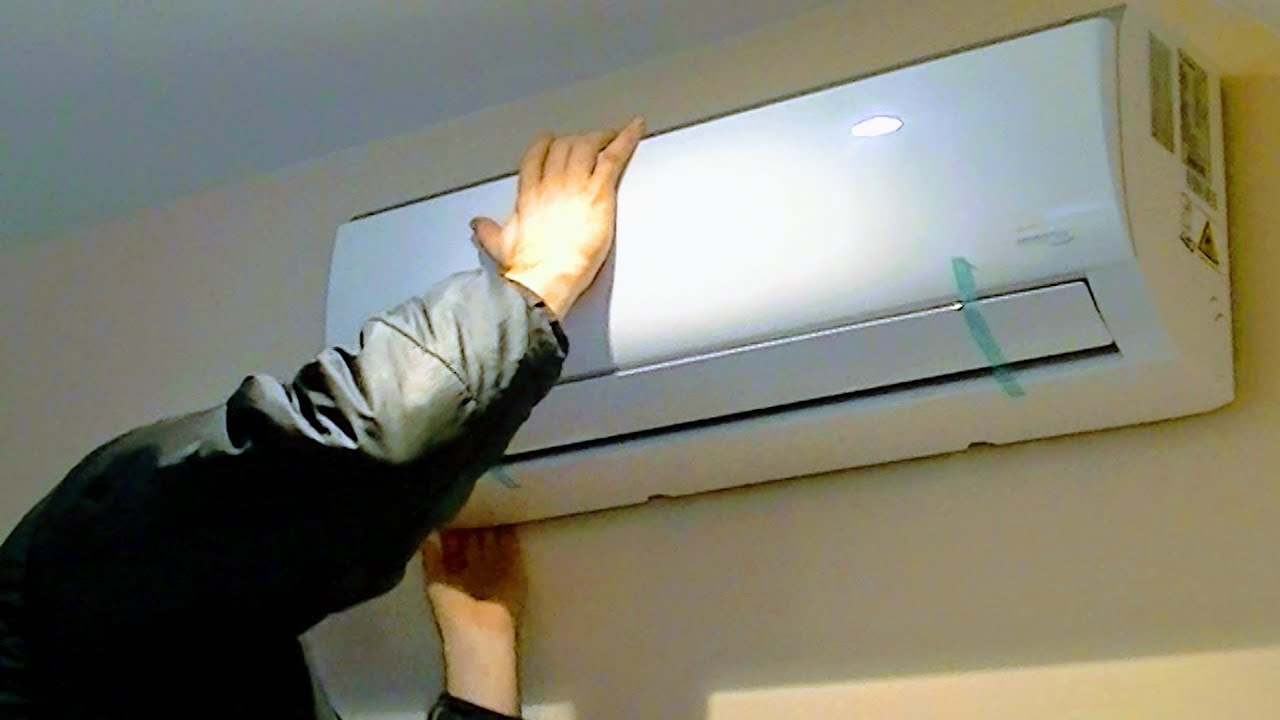
Professional installation involves positioning outdoor units, installing ductwork, connecting refrigerant lines, mounting indoor units, and integrating electrical and control systems. This phase requires precision—improper installation compromises efficiency and creates safety hazards. Licensed electricians typically handle electrical connections to ensure compliance with current safety standards.
Testing, Commissioning, and Training
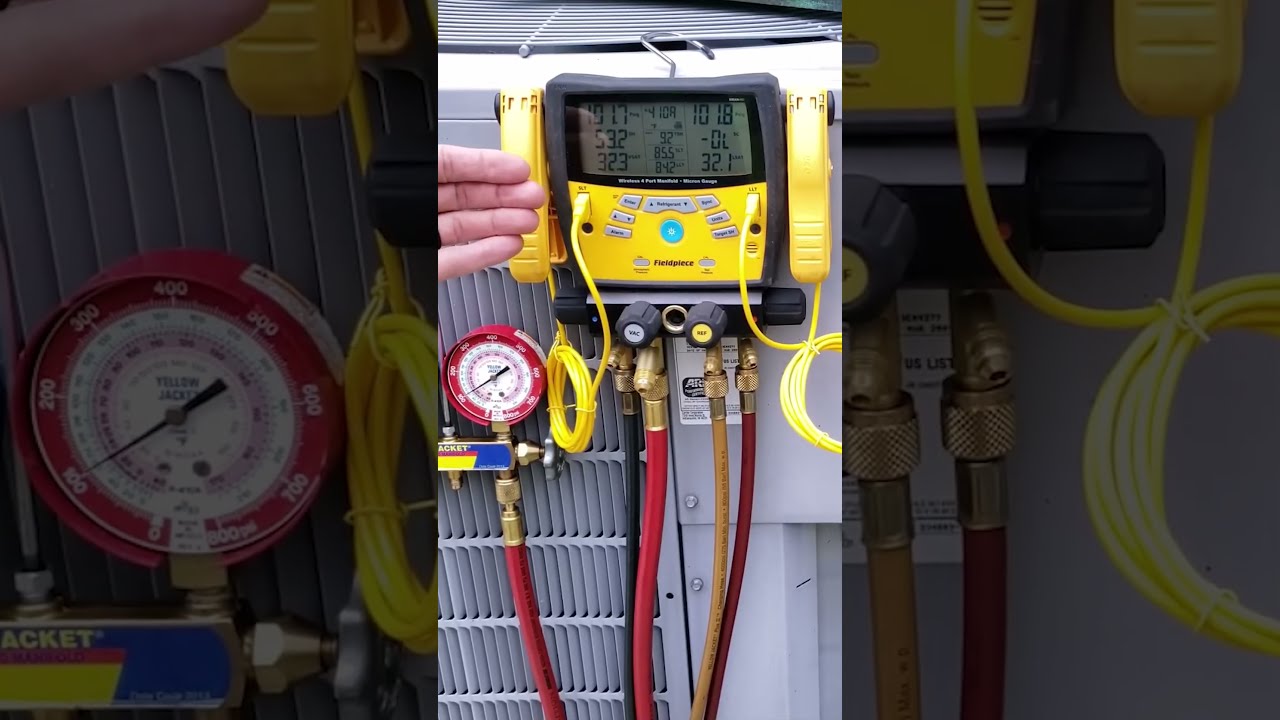
After installation, your air con installer performs comprehensive testing to verify system operation. This includes checking refrigerant levels, airflow rates, temperature differentials, and control system functionality. Before handover, your staff receives training on operating the system, understanding control interfaces, and recognizing maintenance requirements.
Choosing the Right Air Con Installer in Parramatta

Installation quality directly impacts system performance, efficiency, and lifespan. Selecting an experienced, qualified air con installer is essential. Look for installers holding current licenses from the Australian Refrigeration Council (ARC), demonstrating they meet national competency standards. Request references from other Parramatta businesses and verify their experience with systems similar to your requirements.
Reputable installers provide detailed quotes breaking down equipment costs, labor, and any additional requirements. They explain warranty coverage and outline ongoing air conditioning service and maintenance programs. Be cautious of unusually low quotes, which often indicate corners being cut or hidden costs emerging later.
Air Conditioning Maintenance After Installation
Professional installation is just the beginning. Regular air conditioning service and maintenance keep your system operating efficiently and extend its operational life. In 2025, preventive maintenance is more important than ever, as systems incorporate complex electronic components requiring specialized care.
Routine maintenance includes filter changes, condenser coil cleaning, refrigerant level checks, and electrical component inspection. Most manufacturers recommend air conditioning service at least annually, typically before the cooling season begins. For businesses operating year-round in high-use environments, more frequent maintenance may be necessary.
Scheduled maintenance reduces the likelihood of unexpected breakdowns during critical business periods. It also maintains warranty compliance—many manufacturers void warranties if maintenance records cannot be provided. Additionally, well-maintained systems operate more efficiently, directly reducing energy consumption and operating costs.
Air Conditioning Repair Services
Despite proper installation and maintenance, commercial air conditioning systems occasionally require air conditioning repair. Common issues include refrigerant leaks, compressor problems, thermostat malfunctions, and electrical failures. Quick response to repair needs minimizes downtime and prevents minor issues from becoming major problems.
Establish relationships with qualified repair technicians before emergencies occur. Many Parramatta service providers offer emergency repair services, available 24/7 to address critical failures. Having a trusted repair contact ensures rapid response when your air conditioning system fails unexpectedly.
Energy Efficiency Considerations
Energy consumption represents a significant operating cost for commercial air conditioning systems. In 2025, businesses increasingly focus on efficiency to reduce expenses and meet sustainability goals. Modern systems incorporate several efficiency-enhancing features, including variable speed compressors, advanced controls, and improved insulation.
When planning installation, discuss efficiency ratings with your air con installer. Systems meeting higher efficiency standards cost more initially but deliver substantial long-term savings. Additionally, proper installation—including correct ductwork sizing, adequate insulation, and sealed connections—maximizes efficiency gains.
Smart controls allow businesses to optimize temperature settings based on occupancy, time of day, and external conditions. Programmable thermostats reduce cooling during non-business hours and adjust temperatures in unoccupied zones, directly reducing energy waste.
Compliance and Regulations
Commercial air conditioning installation must comply with various regulations and standards. The Building Code of Australia (BCA) establishes minimum requirements for commercial HVAC systems, including capacity, safety features, and energy efficiency standards. Parramatta's local council may have additional requirements affecting installation.
Refrigerant regulations have become increasingly strict. As of 2025, many older refrigerants are being phased out due to environmental concerns. New installations use environmentally-friendly refrigerants, which your installer will discuss during the planning phase. Understanding these regulations ensures your system remains compliant throughout its operational life.
Budgeting for Commercial Air Conditioning Installation
Installation costs vary based on system type, building size, complexity, and equipment selection. Small split systems for individual offices might cost $3,000-$8,000, while central systems for large commercial spaces can exceed $50,000. VRF systems typically fall between these ranges depending on capacity and zone complexity.
Beyond equipment and installation labor, budget for ductwork modifications, electrical upgrades, control system integration, and contingencies for unexpected structural requirements. Obtaining multiple quotes from qualified installers provides realistic cost expectations for your specific project.
Conclusion
Commercial air conditioning installation represents a significant investment in your Parramatta business's comfort, productivity, and operational efficiency. By understanding system types, the installation process, and maintenance requirements, you can make informed decisions ensuring optimal results. Working with experienced, qualified air con installers, prioritizing regular air conditioning service, and addressing air conditioning repair needs promptly keeps your system performing reliably throughout its lifespan. In Parramatta's warm climate, a properly installed and maintained commercial air conditioning system is essential infrastructure supporting business success.
```